



AIWI / Case Studies / Timnit Gebru
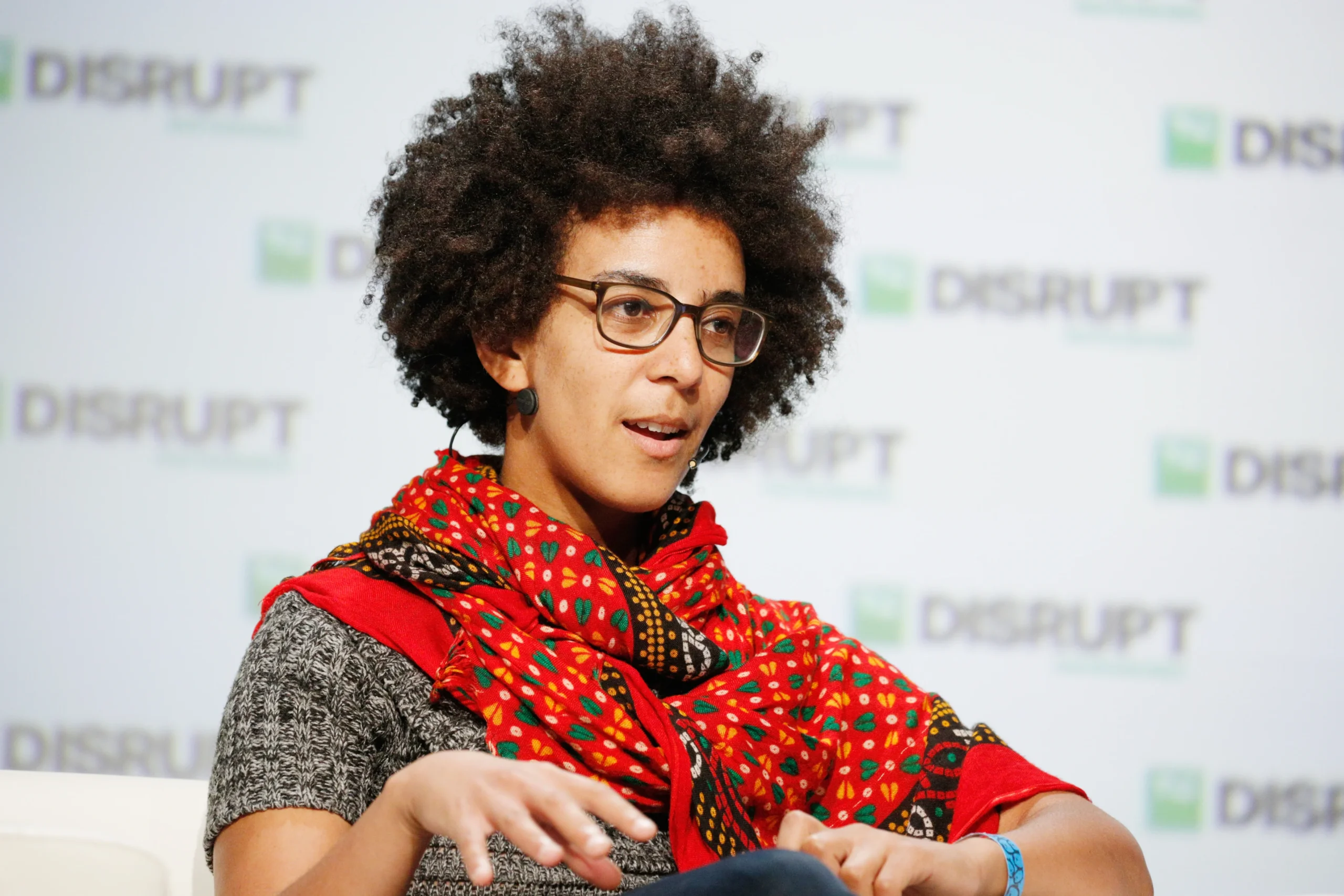
Timnit Gebru
Timnit was a former Google AI ethics researcher who co-authored a paper examining the risks associated with large language models, including environmental impact, bias, and misuse. She left after internal back-and-forth over senior management’s directive to retract the paper or remove Google-affiliated authors. Her dismissal sparked widespread criticism and highlighted concerns about corporate suppression of research on AI risks.


Read the Press Coverage:
Company
Jurisdiction
US
Year
2020
Issues
Suppression of Knowledge on AI Risks
Risks associated with LLMs
Channels
Internal → External: Public
Why This Case Matters

Timnit went on to found her own research organization, DAIR, with over $3.7 million in funding. She continues to be a leading voice advocating for safer AI development and enhanced regulation. The paper she co-authored, On the Dangers of Stochastic Parrots, which was a point of contention with Google, was published alternatively via an academic conference.

In light of the three-month internal investigation into Timnit’s departure, Google announced changes in diversity policies on the same day as firing Timnit’s co-lead for allegedly violating the company’s code of conduct. A new center within the company focused on Responsible AI was set up which subsumed Timnit’s former Ethical AI team.

The case received both public and regulatory scrutiny, with an open letter protesting her dismissal receiving over ~7000 signatories, including ~2,700 Google employees, and a letter from US Congress representatives demanding Google explain what had happened.
Support Received
- Employee/Public Collective Employee/public collective action via an open letter (~7,000 signatories) protesting her dismissal
- US Congress Official Letter to Google US congress representatives demand explanation of Timnit’s dismissal from Google via official letter
- Legal Support No legal support known
You don’t need to be in a crisis to seek help. Pro bono legal counsel can help you navigate your situation and find the right support.
Explore Your Legal Options →
Timeline
Outcomes
For the Whistleblower
Although Timnit received significant public and internal support, including a letter sent to the CEO from Google’s Ethical AI group calling for her reinstatement, her dismissal remained [6]. There was also a smaller group of academics, with no affiliation to her or Google, that disparaged her and her work, dismissing it as “advocacy” and “identity politics”. She also began receiving abuse and harassment online through anonymous accounts on platforms such as Twitter [7].
Despite these negative consequences, she went on to found her own research organization, the Distributed Artificial Intelligence Research Institute (DAIR) with over $3.7 million in funding from the Ford, MacArthur, Rockefeller, and Open Society foundations, as well as the Kapor Center [8]. DAIR focuses on publishing research that counters Big Tech’s pervasive influence on AI development [9].
Her co-authored paper On the Dangers of Stochastic Parrots was published at an academic conference and has become a key reference point in the AI ethics community, with “stochastic parrots” becoming a common term used to criticise the risks of LLMs. Timnit continues to be a leading voice advocating for safer AI development and enhanced regulation.
Consequences faced:
Note:
This is AIWI’s interpretation of the consequences faced by the individual based on publicly available information, as stated in our methodology.
For the Case
In light of the three-month internal investigation into Timnit’s departure, Google announced changes in diversity policies, and how it handles issues involving “sensitive” research reviews and employee exits. Marian Croak, a new leadership hire, was made responsible for running a new center focused on responsible AI within Google Research, which includes Timnit’s former Ethical AI team [10]. However, skepticism was expressed about the investigation’s findings and solutions were judged by many as inadequate [11], [12].
On the same day that Google announced internal policy changes, the company fired Margaret (Meg) Mitchell – Timnit’s co-lead of the AI Ethical Research team. This was allegedly for violating multiple codes of conduct by downloading her emails outside of the company, in an attempt that she says was to find files related to Timnit’s dismissal.
Many wanted to hold Google accountable for, and highlight their disapproval over, its actions related to Timnit’s case. US Congress representatives sent a letter to Google demanding to understand what had happened [13]. Several company employees resigned, citing Timnit’s exit as a direct cause [14]. Other researchers rejected Google’s sponsorship money, and a few academics boycotted Google-organized events in support of what happened to Timnit [15], [16], [17].
The Timnit Gebru case inflicted reputational harm on Google, particularly in the academic and AI ethics communities, while internally, the incident highlighted conflicts between business priorities and independent ethical research.
Your concerns matter and deserve expert answer
If you see something concerning, it’s already worth a confidential conversation. AIWI can help you find clarity with the support of our expert network. Confidential, anonymous and on your terms.


